ClosetFlowHQ may earn a commission from qualifying Amazon purchases. Recommendations are organized around fit and trade-offs, never payment.
Start with a four-zone audit
Look at the rod, upper shelf, door, and floor separately. A builder-grade closet often relies on one rod and one shelf, leaving useful vertical space idle. Measure each zone before shopping.
1. Recover vertical hanging space
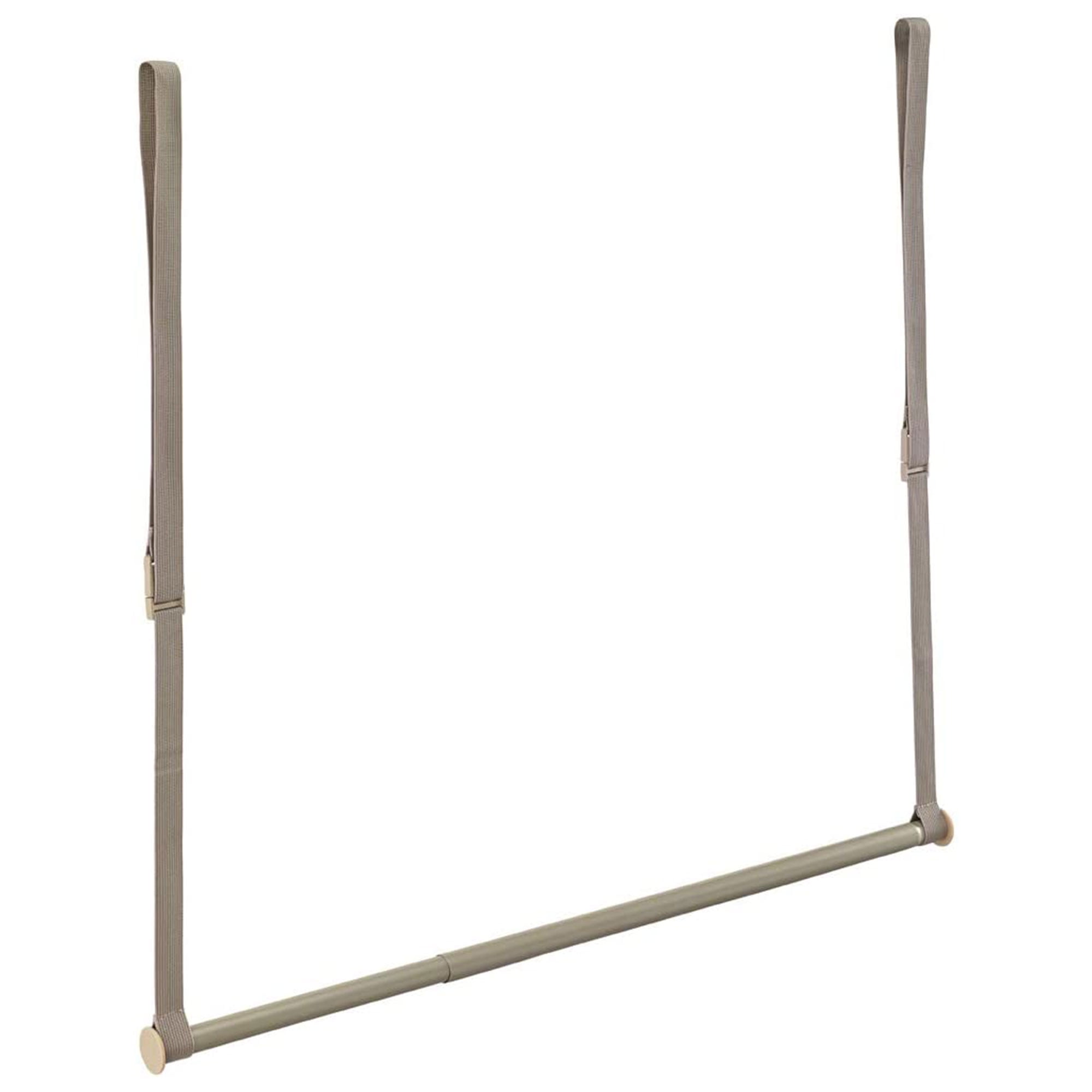
If most garments are shirts, jackets, skirts, or folded trousers, a second hanging rail can create more usable capacity than another set of bins. Keep one narrow long-hang zone for dresses and coats.
2. Move one category onto the door
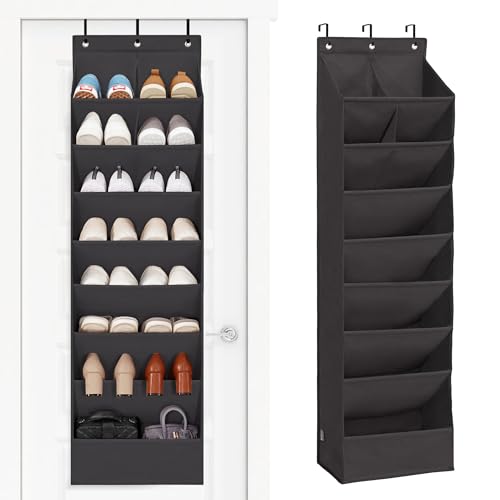
A hinged door can hold shoes, bags, scarves, or accessories without using floor or shelf area. Check top and side clearance before choosing an over-door design.
3. Give folded items boundaries
Soft hanging shelves are a low-commitment way to test a folded-clothes zone. If it proves useful, a rigid tower may be the better long-term upgrade.